
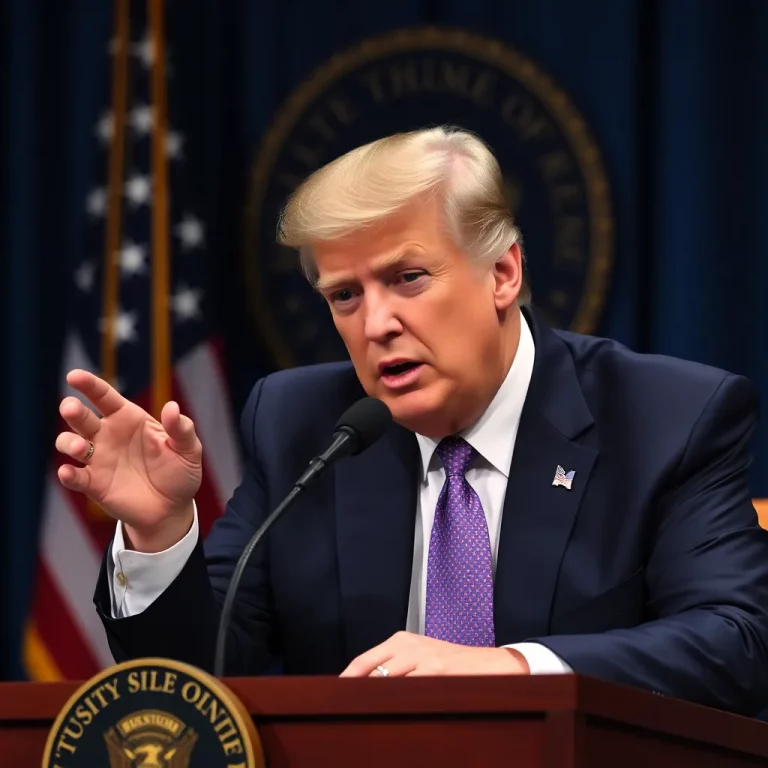
In Washington, D.C., President Donald Trump recently announced an executive order focused on protecting student-athletes and ensuring their collegiate scholarships and opportunities remain intact. The order also aims to prohibit “third-party, pay-for-play payments” to these athletes, a move that aligns closely with the objectives set by the College Sports Commission regarding name, image, and likeness (NIL) agreements.
One significant aspect of the executive order is the clarification around what constitutes “fair-market-value compensation.” As long as the payment comes from parties with a genuine business interest, such as local or national brand endorsements, these payments are permitted. The White House has emphasized the need for a consistent federal approach, citing the inconsistent NIL laws that currently exist across various states.
The College Sports Commission is working with financial consulting firm Deloitte to manage these financial issues in this new era of revenue sharing. They have created an NIL Go portal, which offers student-athletes a way to report any third-party NIL deals, ensuring that these arrangements comply with the rules before they accept any deals.
Additionally, President Trump’s order is dedicated to expanding scholarship opportunities and protecting non-revenue sports like many Olympic disciplines. It specifically states that any revenue-sharing permissible between universities and athletes should support women’s athletics and non-revenue sports.
In a joint statement, Congressmen Brett Guthrie, Tim Walberg, and Jim Jordan expressed gratitude for the President’s commitment, indicating that the executive order complements their efforts to pass the SCORE Act, which aims to enhance the college sports landscape further.
Meanwhile, NCAA President Charlie Baker expressed support for the executive order, urging Congress to take further action. He noted that the NCAA is already implementing several beneficial changes for student-athletes, including health and wellness benefits and guaranteed scholarships. Baker highlighted the potential for federal legislation to tackle broader challenges facing college sports.
As this initiative unfolds, it promises to create a more structured environment for college athletics, offering clearer guidelines for student-athletes navigating the complexities of endorsements and payments.