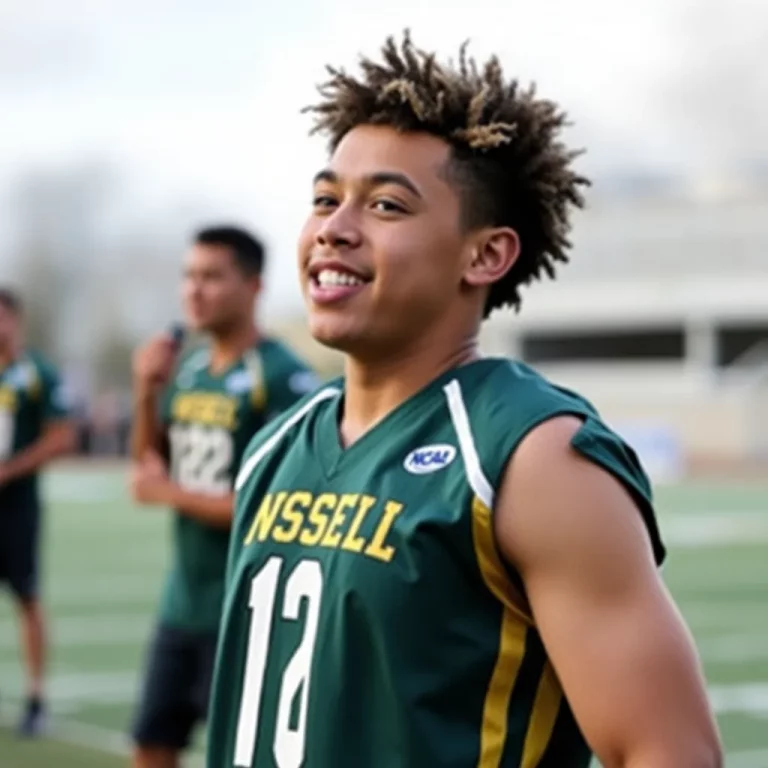
Indianapolis, IN – The NCAA is considering a new rule that could change the way college athletes handle contracts involving their name, image, and likeness (NIL). This proposed regulation would require incoming athletes at the Division I level to report any NIL deals they had while in high school or junior college. According to the plan, athletes would need to disclose all non-institutional agreements starting from the first day of their junior year. For junior college transfers, all deals would need to be reported from the moment they enrolled in college.
The potential rule follows the recent $2.8 billion House settlement, which aims to allow schools to distribute millions directly to athletes beginning July 1. However, this new rule also mandates reporting for any third-party deal that exceeds $600. The NCAA is setting up an NIL clearinghouse called NIL Go, which is developed by Deloitte, to review and ensure these deals are fair and serve a valid business purpose. This move is meant to safeguard against pay-for-play arrangements between future athletes and affiliated boosters or organizations.
There has been a rapid increase in high school NIL opportunities, with at least 40 states now allowing students to earn money from their popularity. States like Alabama, Michigan, and Ohio have strict rules, and Texas even prohibits athletes under 17 from securing deals.
The possible consequences of not complying with this new rule are still up in the air, but some believe that it could include losing eligibility to play. Gabe Feldman, who teaches sports law at Tulane University, mentioned that it is unclear what type of punishment will be given, but the aim seems to be to avoid harming the athletes or the teams they represent.
There is speculation that this rule could lead to numerous lawsuits, yet Feldman feels that the NCAA believes the benefits will outweigh the risks. The concern lies in whether this could push boosters to strike deals with athletes even before they officially join a university.
The ongoing conversations around these regulations highlight the evolving landscape of NCAA sports and how athletes are now more than ever navigating the complex world of NIL deals.