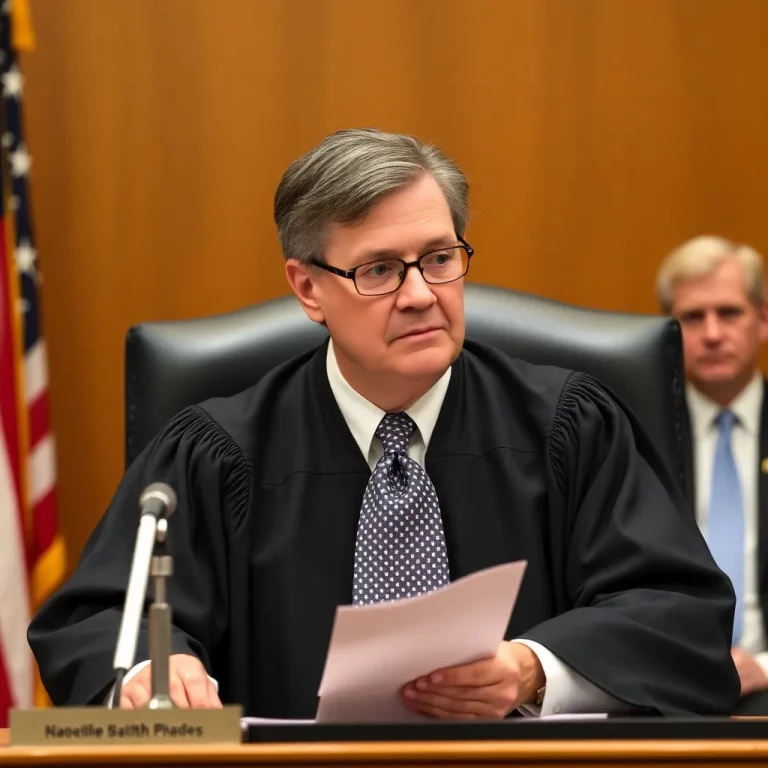
In San Francisco, an important legal situation is unfolding as U.S. District Judge Claudia Wilken looks set to make a significant decision on the future of college athletes and roster limitations. On Wednesday, the NCAA, power conferences, and attorneys representing athletes announced revisions to a previous settlement that could impact how roster limits are handled, especially regarding current athletes.
The revised terms aim to address Wilken’s concerns, particularly the potential loss of roster spots for current college athletes as a consequence of the settlement relating to the antitrust case brought by some athletes. The new settlement provision allows colleges to grandfather in roster limits. This means that athletes who find themselves cut due to these limits can continue to compete for as long as they remain eligible under NCAA rules. Generally, athletes are allowed to participate in NCAA sports for a maximum of five years while competing in four seasons of a single sport.
The new terms specifically target athletes who were included on their college’s roster or assured a spot for the 2025-2026 season. These updates provide a pathway for impacted players from both current and incoming classes to maintain their positions if a school opts to use this grandfathering clause. However, the settlement still allows schools to decide whether or not to implement this option, meaning that some athletes could still face cuts.
Current and incoming players at schools that choose not to take advantage of this clause will lose their spots if Wilken approves the revised settlement. These athletes could attempt to transfer to different programs if they lose their positions. The intent behind these modifications is to reassure Wilken that class members will end up in the same situation as before the roster limits were introduced.
Notably, some legal representatives argue that the changes may not adequately protect the interests of student-athletes. Steve Molo, a lawyer representing objectors, expressed dissatisfaction with the revisions, saying they do not go far enough to help athletes who feel they’ve lost something crucial. Molo indicated that the fight will continue concerning roster caps.
Wilken, who has given the objectors additional time to respond to the revised terms, remains concerned that the settlement does not unfairly disadvantage the class members. She has insisted that all members of the class should be treated fairly, rather than just some, reflecting her commitment to ensuring equitable treatment.
As the deadline approaches for the 2025-26 academic year, colleges are keenly awaiting the court’s ruling. This revised settlement also carries implications for a planned presidential commission addressing college sports issues, which could add further complexity to the legal landscape surrounding athletic eligibility and roster management.
While the NCAA institutions are hanging on to see how this ruling unfolds, the clock ticks on the agreement’s acceptance and potential impact on the upcoming academic year.